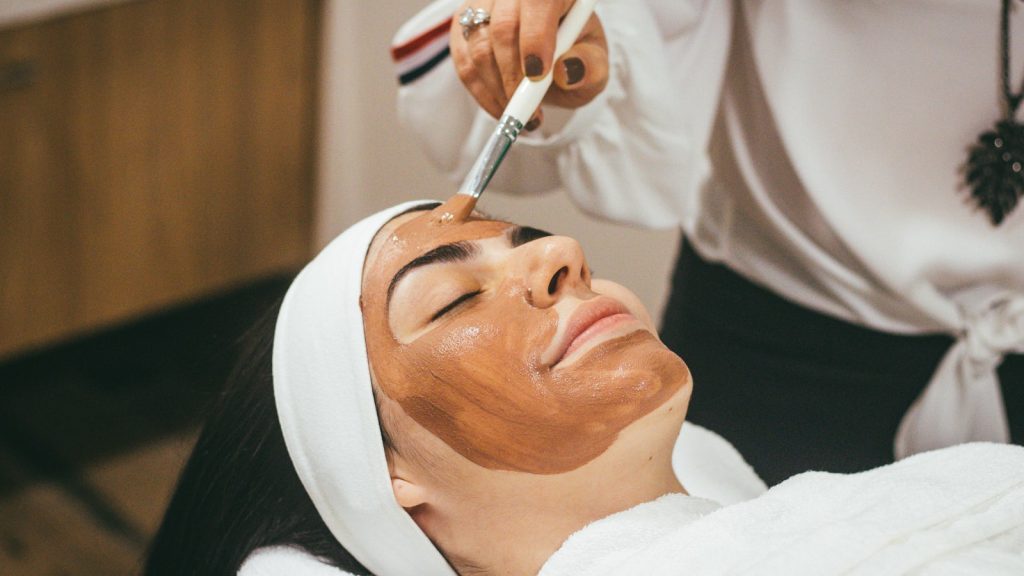
For years I thought I was doing everything right. Cleanser, toner, essence, serum, eye cream, moisturizer, SPF — the whole lineup. My bathroom shelf looked like a Sephora display. And yet my skin was … fine. Not great, not glowing, just fine. Redness here, a breakout there, that weird texture that no amount of exfoliating seemed to fix.
It took a trip where I forgot my skincare bag at home to realize something: my skin actually looked better when I did next to nothing. That one accidental week of hotel soap and a single moisturizer made me question everything I thought I knew about skincare.
So I did something drastic. I stripped my routine down to three steps — and stayed there for six months. Here is what happened, and why I am never going back.
Step 1: A Gentle, Non-Stripping Cleanser
I used to think foaming cleansers were the only way to feel clean. Turns out that squeaky-clean feeling is actually your skin barrier crying for help. I switched to a cream or milk cleanser that does not foam — the kind that feels almost like lotion on your face. In the morning I just rinse with water. Yes, really. Your skin repairs itself overnight and stripping that away first thing with a foaming wash just sets you up for dehydration and oil overproduction by lunchtime.
The rule I follow now: if your cleanser makes your face feel tight after rinsing, it is too harsh. Find something that leaves your skin feeling soft and plump, not stripped.
Step 2: One Targeted Serum (Not Five)
This was the hardest change for me. I had a whole rotation of serums — vitamin C in the morning, retinol at night, plus niacinamide, hyaluronic acid, and some peptide thing I bought on a whim. The problem was I could not tell which one was actually doing anything. So I stopped everything except one: a basic niacinamide serum. It calms redness, supports the barrier, and plays well with pretty much everything.
Here is the honest truth: unless you have a specific dermatologist-prescribed treatment, most of us do not need five serums. Pick one that targets your main concern — hydration, redness, or brightness — and stick with it for at least eight weeks. Layer it on damp skin right after cleansing for better absorption. That is it.
Step 3: A Rich Moisturizer Applied to Damp Skin
I used to pat my face dry before applying moisturizer. Big mistake. Applying moisturizer to damp skin — literally right after rinsing, with water still beaded on your face — locks in way more hydration. The moisturizer traps that water against your skin instead of letting it evaporate. I switched to a slightly richer formula with ceramides and noticed a difference in my skin texture within a week. Less flakiness, fewer dry patches, and that plump look that makes people ask what you are using.
At night I add a thin layer of a basic occlusive like squalane or a light sleeping mask over the moisturizer. That single addition replaced three separate overnight treatments I used to pile on.
What Actually Happened After Six Months
The first week was rough. My skin purged a little, and I kept wanting to add products back in. But by week three, something shifted. My complexion looked calmer. The redness around my nose faded. My breakouts became fewer and smaller. By month three, I was getting compliments on my skin from people who had never mentioned it before.
I also saved about forty minutes a day — ten in the morning, thirty at night — that I used to spend waiting between layers and rinsing off multiple products. That time adds up to over two hundred hours a year. Think about what you could do with an extra two hundred hours.
If your current routine is a twelve-step marathon and your skin is still giving you grief, try the opposite approach. Strip it down to the basics for a month. You might be surprised at what your skin can do when you stop getting in its way.